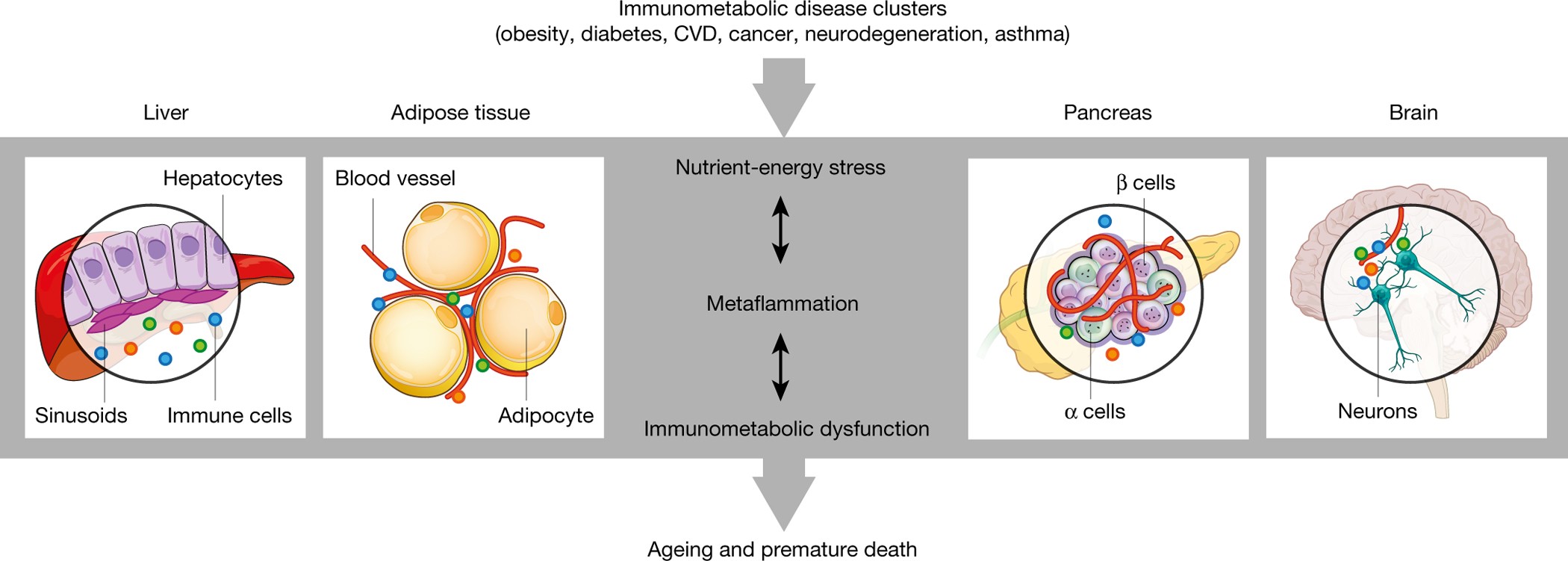
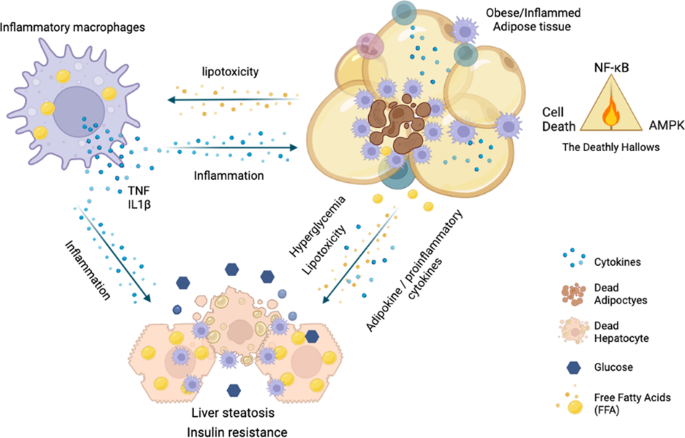
Chronic inflammation is one of the biggest hidden problems of modern metabolism. It doesn’t always come with dramatic symptoms, yet it keeps the body under constant stress. When someone lives in carbohydrate-based mode, blood sugar regularly spikes, then crashes, spikes again, crashes again. These fluctuations trigger hormonal stress, activate inflammatory signaling pathways, and keep the immune system in a prolonged state of readiness over the long term.
It’s as if the body is constantly receiving small emergency signals.
When the body switches to fat oxidation, these fluctuations largely disappear. Blood sugar becomes more stable, insulin levels remain consistently lower, and cells no longer receive continuous stress signals. This alone significantly reduces inflammatory activity.
But the process goes much deeper.
The ketone bodies produced during fat-based metabolism—especially beta-hydroxybutyrate—act not only as an energy source but also as anti-inflammatory signaling molecules. They directly inhibit certain inflammatory mechanisms that underlie many chronic diseases and excessive post-exercise muscle damage. The body doesn’t just generate less inflammation; it actively regulates it.
At the same time, mitochondria—the cell’s energy-producing units—operate more efficiently. During fat oxidation, fewer oxidative byproducts are generated, which would otherwise trigger an inflammatory response. The cleaner the energy production, the lower the cellular-level stress.
This is why many people—especially those training at high volume—notice reduced muscle soreness, faster recovery, more stable heart rate, and a nervous system that no longer crashes after every serious effort.
The body simply no longer feels under attack.
This isn’t a miracle; it’s evolutionary logic. For the vast majority of human history, the body primarily ran on fat-based fuel and only periodically received larger amounts of carbohydrates. Today’s constant sugar load creates perpetual inflammatory readiness. When you return to fat oxidation, the body can finally stop the endless “firefighting.”
Inflammation decreases. The nervous system calms down. Recovery accelerates.
And for an athlete, this makes the real difference: load no longer destroys—it builds.